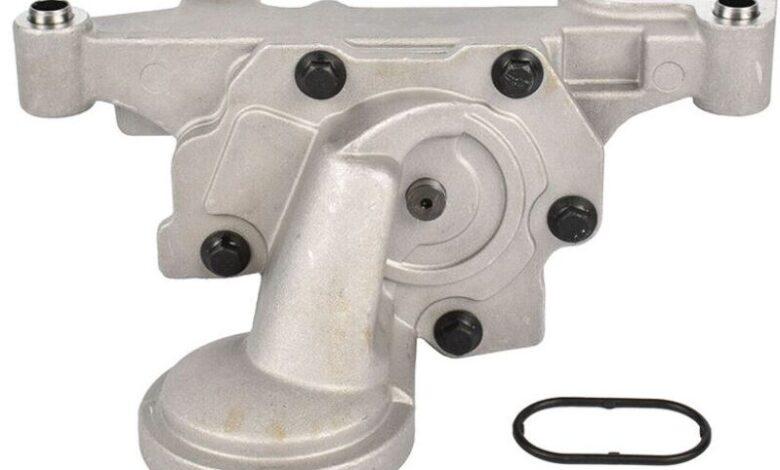
An oil pump is the heart of your engine’s lubrication system. Without it, there will be no lubrication of the moving parts, resulting in excessive wear and overheating. If not fixed on time, a total engine breakdown will occur. Often, the oil pump is overlooked during maintenance. A healthy oil pump is very important, and it extends the lifespan of your engine as well as saves you money. In this article, we will be covering everything about the car oil pump, including its working principle and common signs of failure.
Table of Contents
What is a car oil pump?
A car oil pump is a mechanical device that circulates engine oil throughout the engine. The device draws oil from the sump, sends it to the oil filter before distributing it to the moving engine components. Without it, moving parts like the crankshaft, camshafts, pistons, bearings, and valve trains won’t function properly.
It ensures that every moving part receives adequate lubrication to reduce friction, reduce wear, and regulate engine temperature for maximum performance.






Working principle of the oil pump
Its major function is making sure every moving part is lubricated properly at all times. It’s usually driven by the crankshaft, timing chain, or timing belt. The pump rotates as the engine is running, creates suction that pulls oil from the pan through the pick tube, pressurizes it, and sends it to the oil filter.
Contaminants such as debris are removed by the oil filter before the clean oil reaches the engine’s internal components.
After lubrication, the oil drains back into the oil pan, and the cycle repeats continuously while the engine is running.
Functions of an engine oil pump
The oil pump performs a variety of critical functions, including:
- Circulates engine oil throughout the engine
- Lubricates the moving parts to reduce friction
- Cools down the engine by carrying away heat as the oil flows
- Maintains required oil pressure
- Improves engine longevity and performance
Common types of car oil pumps
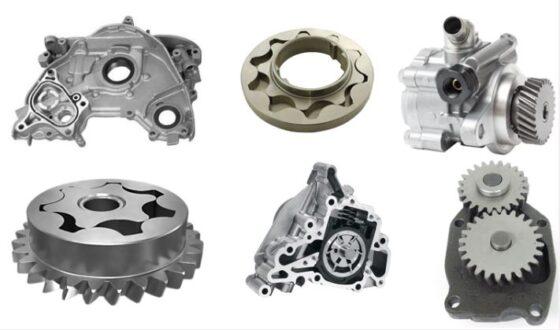
There are three main types of car oil pumps, they include:
- Gear Oil Pump
- Rotor (Gerotor) oil pump
- Vane Oil Pump
Gear oil pump
This particular type of oil pump is the most common type, mostly found in passenger vehicles. It utilizes two interlocking gears to create oil pressure and deliver oil throughout the engine.
Rotor oil pump
This type makes use of an inner and outer rotor to move oil efficiently. It’s known for its reliability, mostly found in modern vehicles.
Vane oil pump
Just as the name implies, this type uses a vane to move oil. It’s not too popular in new passenger cars.
Symptoms of a bad oil pump
A bad oil pump can lead to serious engine damage if not replaced on time with an original one. Always be on the lookout for these warning signs to avoid engine replacement.
- Low oil pressure warning light: Once there is a drop in oil pressure, the light will come on on your dashboard. It’s advisable to find a safe location and park. Then call your mechanic to fix it to avoid catastrophic engine failure. You can also browse the web for oil pumps for sale around you.
- Unusual engine noise: When there is low or insufficient lubrication on the engine, it will lead to knocking, ticking, or grinding noises due to increased friction between engine components.
- Overheating: once there is insufficient lubrication, friction between engine parts will increase, thereby leading to excessive heat generation.
- Hydraulic lifter noise: Poor oil circulation will always cause the lifters to make ticking or tapping sounds.
- Reduced engine performance: reduced lubrication leads to increased friction, making the engine less efficient.
Common causes of oil pump failure
Several factors can lead to oil pump failure or damage it completely. They include:
- Dirty engine oil
- Low engine oil level
- Worn internal pump gears
- Clogged oil pickup screen
- Poor maintenance
- Using the wrong engine oil
- Poor maintenance
Summary
In conclusion, driving with a faulty oil pump is extremely risky; the engine might be destroyed within minutes. If your oil pressure light comes on and stays on, stop driving immediately and carry out a thorough inspection of your vehicle.
Failure to do so, you might be buying a new engine, and that will set you back by a couple of Dollars.